Observation, honestly recorded
“The physician's aim is to do good, even to our enemies.”
About us
Two brothers in medicine building the study companion we wished we had: you practise by answering, you get corrected, and the correction sticks. That's the whole method.
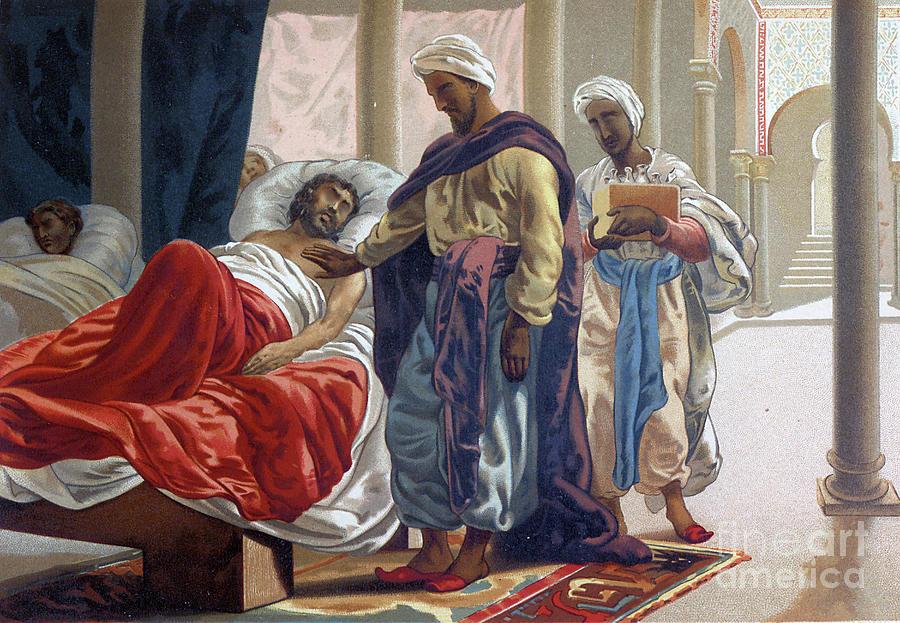
The human element
Someone arrives carrying fear, a family, and a life they were in the middle of. Slides describe disease in the abstract; a real case makes you meet the human being who happens to be ill.
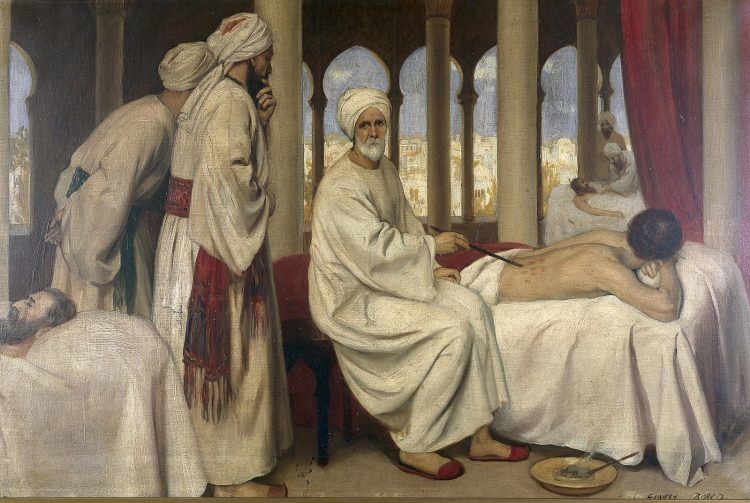
The ethics we inherited
We don't need ancient remedies back — we need the mindset. How you treat a patient who can give nothing back is the honest measure of whether medicine, in your hands, is a service or a transaction.
Golden Age physicians
Observation, honestly recorded
“The physician's aim is to do good, even to our enemies.”
Medicine as reasoning
“Medicine considers the human body as to the means by which it is cured, and by which it is driven away from health.”
Craft as a moral duty
“Whoever devotes himself to surgery must first be versed in anatomy; otherwise he will fall into error that costs lives.”
The courage to correct authority
“In determining what we say, we depend on examination and honest study, not on what others have said.”
The character of the physician
“The physician must be a guardian of the body, and of the secret entrusted with it.”
“Science without compassion is incomplete. They didn't just study diseases — they studied humans.”